Smartphones have fundamentally reshaped the way we capture and share moments. Not long ago, family vacations, birthday parties, and even casual outings required a separate point-and-shoot camera tucked into a bag. Today, most people simply reach into their pocket. The shift did not happen overnight, but it accelerated as phone cameras became smarter, faster, and more capable. Instead of being just communication tools, smartphones evolved into powerful imaging devices supported by advanced software and artificial intelligence. In this article, we explore why smartphones are steadily replacing traditional cameras in everyday life.
1. Convenience: The Always-in-Pocket Factor
One Device Does It All
Carrying a separate camera once made sense when phones could barely take usable photos. Now, the average person prefers simplicity, and a smartphone satisfies multiple needs at once. It functions as a camera, video recorder, photo editor, storage device, and sharing platform in a single slim gadget. When you are commuting to work, hiking on a weekend, or attending your child’s school performance, having one device instead of two reduces clutter and stress. You no longer need to remember chargers, memory cards, or extra batteries for a dedicated camera. This “all-in-one” convenience has quietly made traditional compact cameras feel unnecessary for everyday use.
Instant Capture, No Gear Needed
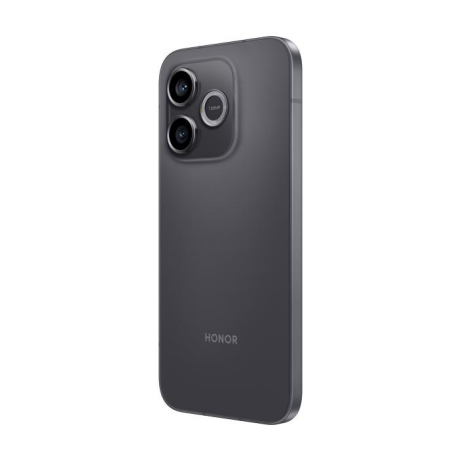
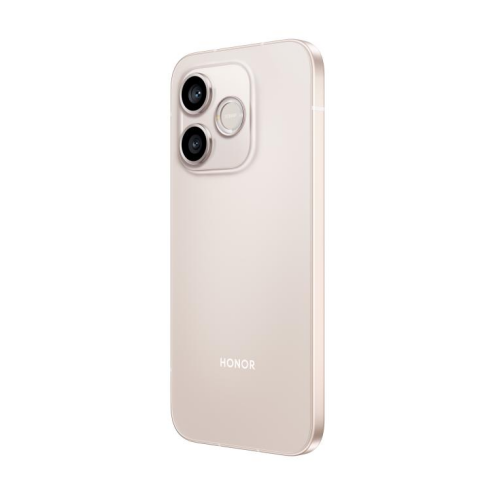
Moments rarely wait for you to unzip a bag and adjust settings. With modern smartphones, you can launch the camera in seconds and capture a fleeting smile or sunset without preparation. Devices like the HONOR 600 Lite 5G smartphone in UK even include a physical AI Camera Button that lets you open the camera or start recording instantly with a simple press. Its 108MP ultra-clear main camera captures fine details with impressive clarity, making spontaneous shots look polished and vibrant. Because the phone is already in your hand for messages or navigation, there is virtually no barrier between seeing something beautiful and photographing it. That immediacy is something traditional cameras struggle to match in daily life.
2. Computational Photography Advancements
Software Beating Hardware Limitations
Traditional cameras rely heavily on larger sensors and optical components to achieve better results. Smartphones, however, compensate for smaller hardware through computational photography, which uses algorithms to enhance images in real time. When you press the shutter button, your phone is actually capturing multiple frames and blending them together for sharper, brighter, and more balanced results. This process corrects exposure, reduces noise, and sharpens details automatically. For the average user, this means you can point and shoot without worrying about manual settings. Over time, software innovation has narrowed the performance gap that once gave standalone cameras a clear advantage.
Night Mode, HDR, and Portrait Effects
Low-light photography used to be a major weakness of mobile devices. Today, night modes analyze scenes and brighten them intelligently, allowing you to capture city lights or candlelit dinners with surprising clarity. High Dynamic Range, or HDR, blends multiple exposures to preserve details in both shadows and highlights, preventing washed-out skies or overly dark faces. Portrait effects use depth mapping and AI processing to create natural background blur, mimicking professional camera lenses. These features operate automatically, meaning users do not need photography training to achieve visually appealing results. As a result, smartphone photography feels less technical and more accessible to everyone.
3. Instant Sharing and Social Integration
One of the most powerful reasons smartphones dominate photography is what happens after the photo is taken. Traditional cameras often require transferring images to a computer before editing or sharing, which adds extra steps and time. Smartphones eliminate that friction by allowing immediate editing, captioning, and uploading within seconds. Whether you are sharing vacation highlights with family or posting daily life updates, the process feels seamless. Built-in editing tools, filters, and AI enhancements make it easy to refine images without external software. In a world where communication is fast and visual, the ability to capture and share instantly has made smartphones the natural choice.
4. Closing the Quality Gap
Multiple Lenses in One Pocket
Many modern smartphones feature multiple lenses, including wide, ultra-wide, and macro options. This flexibility allows users to switch perspectives without carrying separate equipment. You can photograph a sweeping landscape, then immediately switch to a close-up detail shot. Advanced image processing coordinates these lenses to ensure consistent color and exposure. For everyday photography, this versatility often covers the needs that once required different camera attachments. As a result, the typical user experiences creative freedom without additional bulk.
4K Video and Stabilization Improvements
Video quality has improved dramatically on smartphones in recent years. Recording in 4K resolution is now common, producing sharp and detailed footage suitable for large screens. Electronic and optical stabilization systems reduce shakiness when walking or filming handheld, making casual videos look smooth and professional. This matters for parents recording school events, travelers documenting trips, or creators sharing tutorials online. Improvements in microphones and audio processing further enhance overall production value. For many users, the video capabilities alone are strong enough to replace a dedicated camcorder or compact camera.
5. Cost and Value Proposition
Price plays a significant role in consumer decisions. Buying a separate camera in addition to a smartphone can feel redundant when the phone already delivers strong performance. Modern smartphones combine communication, productivity, entertainment, and photography into a single investment. When you consider storage, editing tools, cloud backup, and software updates, the value becomes even clearer. Even mid-range devices now offer high-resolution sensors, AI enhancements, and durable designs that were once limited to premium tiers. For households managing budgets, choosing one capable device instead of two is a practical and financially sensible decision.
Conclusion
The replacement of traditional point-and-shoot cameras by smartphones is not simply about trends; it is about practicality. Convenience, computational photography, instant sharing, and steady quality improvements have reshaped everyday expectations. While professional photographers may still rely on specialized equipment, the average person rarely needs more than what their smartphone provides. With innovations such as high-resolution sensors, AI-powered enhancements, and thoughtful hardware features like dedicated camera buttons, smartphones continue to push boundaries. Ultimately, they have transformed photography from a planned activity into a spontaneous, effortless part of daily life.