The smartphone industry continues to evolve rapidly, driven by advancements in technology and changing consumer demands. By 2026, some distinct trends are reshaping how we view, use, and interact with our smartphones. From AI breakthroughs to cost-effective flagship features, sustainability efforts, and burgeoning market shifts, these innovations are defining the future of mobile technology. Understanding these trends is essential for industry players and consumers alike as they navigate the sophisticated ecosystem of smartphones. This article delves into the prominent trends and market analysis that are setting the stage for the smartphone industry by 2026.

AI-Powered Smartphones Are Redefining User Experience
On-Device AI Improves Photography and Performance
AI advancements have revolutionized smartphone photography. AI-powered cameras now optimize settings autonomously, delivering professional-grade photos in varying conditions. For instance, AI algorithms adjust lighting and exposure, even recognizing and enhancing subjects through machine learning techniques. This enhancement does not compromise processing time or quality, thanks to on-device AI, which accelerates tasks using dedicated neural processing units. By handling computations locally rather than relying on cloud processing, on-device AI ensures faster responses, improved privacy protection, and more consistent real-time performance enhancements.
AI Enhances Battery, Security, and Daily Tasks
Beyond photography, AI optimizes battery efficiency by learning usage patterns and adjusting power consumption accordingly. Security measures have also strengthened with AI-based facial and biometric recognition, offering faster and more reliable authentication. Additionally, AI increases productivity by simplifying daily tasks—like organizing schedules and sending reminders—through predictive insights and automation, creating a seamless user experience. These intelligent systems continuously adapt to user behavior, refining suggestions and improving efficiency the longer the device is used.
Budget Smartphones Deliver Flagship-Level Features
High Performance at Competitive Prices
Manufacturers are now incorporating advanced technologies into budget models, providing powerful processors and high-resolution displays without the hefty price tags. The Qualcomm Snapdragon 6s Gen 3, for example, powers budget-friendly devices with robust performance and gaming capabilities, showcasing the allure of affordable smartphones with premium features. This shift demonstrates how economies of scale and competitive innovation allow brands to deliver impressive performance while maintaining attractive pricing strategies.
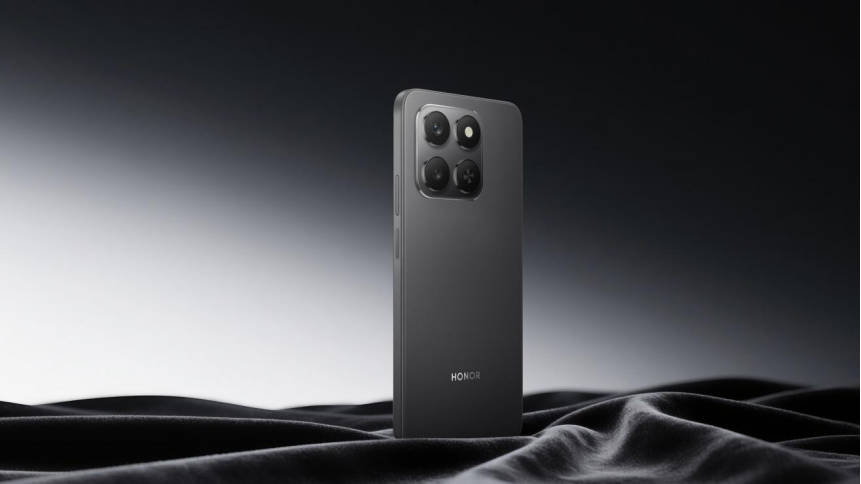
Example: HONOR X7d 5G Brings Balanced Features to Users
Take the HONOR X7d 5G phone as an example. Despite its competitive price, this smartphone boasts a 6.77-inch display, Qualcomm Snapdragon chipset, and a robust battery capacity of 6500 mAh. Its camera array, featuring a 50MP main camera, offers remarkable photographic capabilities for budget-conscious consumers. This model highlights how budget-friendly smartphones offer valuable features without compromising performance. It also reflects how thoughtful hardware integration and software optimization can produce a well-rounded device suitable for diverse everyday needs.
Sustainability and Eco-Friendly Smartphone Manufacturing
Recycled Materials and Longer Software Support
Many brands are investing in recycled materials, incorporating them into device design and packaging. This not only reduces waste but also aligns with global sustainability goals. Furthermore, offering extended software support encourages users to hold onto devices longer, minimizing electronic waste and fostering a more sustainable industry. Longer update cycles also improve device security and functionality, reinforcing both environmental benefits and customer satisfaction simultaneously.
Consumer Awareness Influences Brand Strategy
Consumers are increasingly informed about environmentally responsible practices and are making purchasing decisions based on corporate sustainability initiatives. Smartphone companies are responding by being transparent about their production processes and highlighting eco-friendly certifications, thus driving brand loyalty and advocacy in an environmentally aware market. This growing awareness pushes brands to innovate responsibly while maintaining competitive differentiation and long-term trust.
Global Smartphone Market Insights and Regional Trends
Emerging Markets Lead Shipment Growth
Emerging markets are at the forefront of shipment growth. Countries within Southeast Asia and Africa are witnessing increased smartphone penetration driven by affordable pricing and expanding network infrastructures. This surge positions these regions as crucial growth drivers with significant potential for market expansion. As connectivity improves and digital services expand, demand for feature-rich yet affordable devices is expected to rise steadily.
Premium Segment Shows Steady Expansion
The premium smartphone segment, characterized by advanced technology and luxury branding, maintains steady expansion. Consumers are seeking devices that offer innovative features like foldable displays and 5G connectivity. This segment appeals to tech-savvy individuals willing to invest in the latest advancements, ensuring sustained growth within developed markets. Continued research and development investments further reinforce the premium category’s appeal through breakthrough innovations and enhanced user experiences.
Conclusion
The smartphone industry in 2026 embodies a blend of innovative technology and strategic adaptation to consumer demands. AI-driven advancements and eco-friendly initiatives lead the way in transforming user experiences while bridging the gap between budget and flagship models. Moreover, regional market dynamics highlight varying growth patterns, with emerging markets showing significant potential. Collectively, these trends underscore a thriving industry poised for continued evolution. Stakeholders must stay alert to these shifts to capitalize on emerging opportunities in the global smartphone arena.