Smartphone performance depends heavily on one often-overlooked specification: RAM. When you shop for a new device, you will likely see options ranging from 4GB to 12GB or even more, and it can be confusing to know what truly matters. Many people assume that more RAM automatically means better performance, but the reality is more nuanced. Your ideal RAM capacity depends on how you actually use your phone in daily life—whether that means checking messages, streaming shows, or playing graphics-intensive games. In this article, we’ll break down what RAM really does and help you decide how much you truly need based on your habits.

1. What Does RAM Do in a Smartphone?
RAM, or Random Access Memory, is the short-term working memory of your phone. It temporarily stores the apps and data your device is actively using so that everything runs smoothly and quickly. When you switch between a messaging app and your browser, RAM allows both to stay ready in the background without needing to reload. If your phone doesn’t have enough RAM, apps may close automatically, reload frequently, or stutter during use. In everyday terms, RAM determines how effortlessly your phone handles multitasking.
2. RAM Needs by User Profile
Light Users: Social Media and Messaging
Light users typically spend their time on messaging apps, social media platforms, occasional photo sharing, and light web browsing. For these tasks, 4GB to 6GB of RAM is usually sufficient for smooth performance. You can switch between chatting, checking notifications, and watching short videos without noticeable delays. However, if you like to keep many apps open simultaneously, slightly higher RAM provides extra comfort. Even casual users benefit from a bit of headroom to future-proof their device for newer app updates.
Moderate Users: Streaming and Browsing
Moderate users often stream movies, scroll through long-form content, shop online, and browse multiple tabs at once. In this case, 6GB to 8GB of RAM offers a noticeably smoother experience, especially when juggling entertainment and productivity apps. Streaming platforms, navigation tools, and background downloads can consume memory quickly. With adequate RAM, you can switch from watching a show to responding to emails without reload delays. This range strikes a practical balance between performance and cost for most people.
Power Users: Gaming and Heavy Multitasking
Power users demand more from their phones, especially when playing graphics-heavy games or editing photos and videos. These activities require significant memory to maintain stable frame rates and fast app switching. For this group, 8GB to 12GB of RAM ensures consistent performance during extended sessions. If you frequently run multiple large apps at the same time, higher RAM prevents background apps from closing unexpectedly. For intensive daily usage, generous RAM contributes directly to smoother, more reliable performance.
3. How Mobile Operating Systems Handle RAM
Memory Management Differences
Not all phones use RAM in the same way, even when the hardware looks similar on paper. The operating system plays a crucial role in determining how efficiently memory is allocated and freed. Some systems are more aggressive in closing background apps to conserve resources, while others prioritize keeping apps readily accessible. This means two phones with the same RAM capacity can feel different in daily use. Efficient memory management reduces lag without necessarily requiring extreme amounts of RAM.
Why Some Phones Need More RAM Than Others
Hardware optimization, background services, and built-in features all influence RAM requirements. Phones with heavier customization layers or advanced multitasking features may require additional memory to maintain responsiveness. Additionally, features like split-screen mode or floating windows increase RAM usage. Devices designed for longevity often include extra RAM to accommodate future software updates. As apps become more complex over time, having additional memory helps maintain smooth performance.
4. The Reality of RAM: Specs vs. Real-World Use
When More RAM Actually Matters
More RAM truly matters when your usage consistently pushes the limits of your device. If you frequently notice apps reloading or games slowing down mid-session, additional RAM can make a meaningful difference. Heavy multitaskers who keep dozens of apps open benefit from higher memory configurations. For example, devices equipped with up to 12GB of RAM can maintain numerous active background apps without lag. Advanced memory expansion technologies can even use storage space to simulate additional RAM for smoother transitions between tasks.
The Point of Diminishing Returns
There is, however, a point where adding more RAM produces minimal visible improvement for average users. If you primarily use your phone for messaging, browsing, and occasional streaming, moving from 8GB to extremely high RAM may not noticeably change your experience. The processor, storage speed, and software optimization also contribute significantly to performance. Spending extra on excessive RAM might not deliver proportional benefits. Choosing balanced hardware tailored to your habits is often smarter than simply chasing the highest number.
5. Making the Right Choice for Your Needs
Questions to Ask Before Buying
Before choosing your next phone, consider how you use your current one. Do you often switch between multiple large apps, or do you stick to one task at a time? How important is long-term performance as apps grow more demanding? Think about whether you plan to keep the phone for several years, as extra RAM can help future-proof your device. Answering these practical questions ensures you select memory capacity that matches your lifestyle rather than marketing claims.
Signs Your Current Phone Has Insufficient RAM
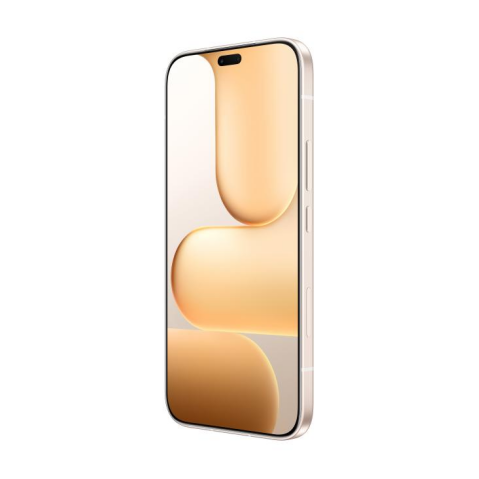
If your current phone frequently reloads apps when you switch between them, that’s a clear sign of limited RAM. Noticeable lag during gaming, slow app launches, and delayed keyboard responses also indicate memory strain. When background music stops unexpectedly while you open another app, insufficient RAM may be the cause. If you’re looking for an upgrade, the HONOR 600 Lite offers high RAM with generous internal storage, making multitasking far smoother. With the help of Honor RAM Turbo technology, it can intelligently expand the memory to a larger size, helping dozens of apps stay active in the background without noticeable slowdown.
Conclusion
Choosing the right amount of RAM isn’t about picking the highest number available; it’s about understanding your daily habits. Light users can stay comfortable with moderate memory, while gamers and multitaskers benefit from larger capacities. Efficient software and balanced hardware matter just as much as raw specifications. By evaluating how you actually use your phone, you can avoid overspending while ensuring smooth performance. Ultimately, the right RAM choice is the one that keeps your everyday experience fast, stable, and frustration-free.