Foldable smartphones now look slimmer, lighter, and more refined with every generation. Brands compete to hide bulk while still offering large, immersive screens that fold in half. This design shift demands new hinges, flexible displays, and ultra-compact components that fit into millimeters of space. Engineers must also protect these moving parts from dust, moisture, and daily wear. Users want sleek devices that feel like regular phones but open into tablets. Behind that simple motion, complex hardware and materials innovations quietly drive real progress.

Advanced Hinge Innovations That Reduce Smartphone Thickness
New Hinge Structures That Save Internal Space
Modern foldable hinges now use multi-link, teardrop, and waterdrop designs to reduce thickness and protect flexible displays. These structures guide the screen into a gentle curve instead of a sharp bend, so the HONOR Magic V6 can close flatter while keeping less empty space inside. Engineers stack gears, cams, and pivots to shrink the hinge footprint and free up room for batteries and boards. Some brands split the hinge into several modules, which spreads stress and leaves more internal space for antennas and speakers.
Lightweight Materials That Improve Flexibility and Strength
Hinge designers now combine aluminum alloys, stainless steel, titanium, and high-strength polymers to keep the hinge slim yet durable. Metal frames carry structural loads, while engineered plastics reduce friction and weight around sliding parts. Advanced coatings resist corrosion and wear from repeated folding. Some manufacturers insert carbon fiber or glass fiber reinforcement in small hinge sections to handle torque without adding bulk. These hybrids allow smoother motion with fewer, thinner parts. The result feels sturdy in hand but weighs less and folds with less effort.
Display Technologies Behind Ultra-Slim Foldable Smartphones
Flexible OLED Panels That Enable Folding Screens
Flexible OLED panels sit at the heart of every foldable smartphone. Unlike rigid LCDs, these displays use organic light-emitting diodes on bendable plastic substrates, so the screen can curve without cracking. Manufacturers thin each layer, from encapsulation to touch sensors, to cut overall thickness while keeping brightness and color accuracy. Advanced pixel layouts and driver ICs support high refresh rates in a flexible form. Engineers also optimize the stack to handle thousands of folds with minimal degradation, ensuring the display remains smooth and responsive over time.
Ultra-Thin Glass and Crease Reduction Improvements
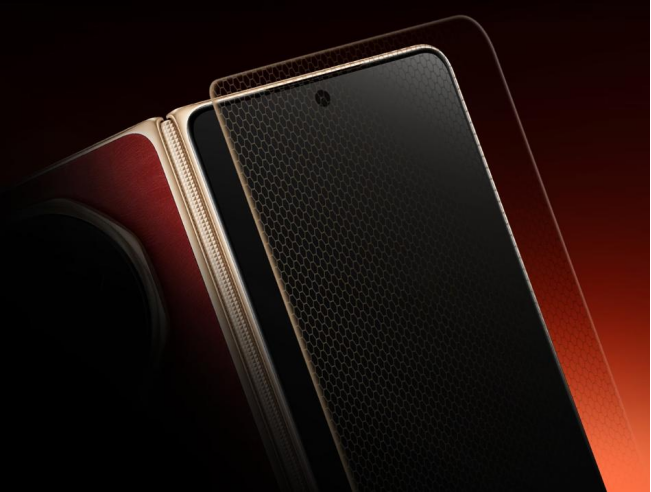
Ultra-thin glass now overlays many foldable OLED panels, bringing better scratch resistance and a firmer touch feel than plastic films alone. Chemically strengthened glass can bend to tight radii while staying just tens of microns thick. Manufacturers add elastic cushioning layers under the glass to spread stress and reduce the visible crease. Improved hinge curvature and uniform pressure distribution also help soften the fold line. These refinements make the central crease less distracting, improve stylus support, and maintain clarity, all without increasing display thickness significantly.
Battery and Internal Hardware Breakthroughs
High-Density Batteries for Thin Smartphone Designs
To keep foldables slim, engineers rely on high-density lithium batteries with advanced chemistries and packaging. Stacked cell designs and custom-shaped packs fill narrow internal cavities without wasting volume. Some devices split the battery into two modules, one in each half, to balance weight and distribute thickness evenly. Manufacturers refine electrodes and electrolytes to increase energy per cubic millimeter, so thin batteries still power large foldable screens all day. Better thermal management materials then keep temperatures stable, protecting battery health and supporting faster, consistent charging speeds.
Compact Internal Components That Maximize Space
Chipmakers now deliver smaller, more integrated system-on-chip platforms that combine CPU, GPU, modem, and AI engines into one compact package. Foldable designs also benefit from multi-layer printed circuit boards that stack components vertically to save area. Slim vapor chambers and graphite sheets handle cooling without thick heat pipes. Camera modules use folded optics and periscope lenses to reduce height while keeping zoom performance. Engineers even redesign speakers, vibration motors, and antennas to fit around the hinge cavity. Each millimeter saved helps reduce total device thickness.
Materials and Structural Engineering Behind Lightweight Foldables
Aerospace-Grade Frames and Reinforced Materials
Ultra-slim foldables often use aerospace-grade aluminum, magnesium alloys, or titanium around the frame and hinge support areas. These materials offer high strength-to-weight ratios, so the phone resists bending and twisting without feeling heavy. Manufacturers reinforce stress zones with internal ribs, carbon fiber plates, or high-strength composite inserts. Finite element simulations reveal how forces move through the chassis during drops and folds, guiding precise material placement. This structural engineering lets brands cut unnecessary thickness while keeping rigidity, making foldables feel closer to traditional premium flagships.
Water Resistance and Long-Term Reliability Improvements
Foldable smartphones now integrate seals, gaskets, and corrosion-resistant coatings around the hinge and ports to improve water resistance. Some designs channel water away from sensitive electronics with drainage paths and protective barriers. Engineers test hinges and displays through hundreds of thousands of folds, high-temperature cycles, dust exposure, and impact simulations. Lubricants and low-friction bushings reduce wear on moving parts, while flexible printed cables gain stronger reinforcement. These improvements extend device lifespan, reassure buyers about durability, and help foldables serve as daily drivers rather than fragile experiments.
Conclusion
Ultra-slim foldable smartphones depend on more than stylish industrial design. Advanced hinge systems, flexible OLED panels, ultra-thin glass, and high-density batteries all work together in tight harmony. Compact chipsets, aerospace-grade frames, and precise structural engineering then protect that complex hardware during every fold. Each generation improves crease visibility, reliability, and resistance to water and dust. As these technologies mature and scale, foldables will likely match or even surpass traditional flagships in efficiency and durability, giving users thin devices that unfold into truly expansive, versatile screens.